
Polyphenols are some of the most powerful compounds in modern skincare – and for good reason. Found in fruits, vegetables, teas and botanical oils, these naturally occurring plant compounds deliver a remarkable range of skin benefits. From antioxidant protection to visible improvements in firmness and radiance, polyphenols are nature’s answer to many of our most common skin concerns.
What makes polyphenols truly special is the depth of science behind them. Decades of peer-reviewed research show that these plant-derived molecules work at the cellular level to protect, repair and rejuvenate the skin.
Keep reading to discover exactly how polyphenols benefit your skin, which types matter most and how to make the most of them in your daily routine.
What Are Polyphenols?
Polyphenols are a large family of compounds found throughout the plant kingdom. Scientists have identified over 8,000 different types, making them one of the most diverse groups of plant chemicals in existence. They fall into four main categories: phenolic acids, flavonoids, stilbenes and lignans.
Some of the most well-known polyphenols include resveratrol (found in grapes), EGCG (found in green tea), anthocyanins (the deep purple pigments in berries like black currants and blackberries) and the unique avenanthramides found exclusively in oats.
Plants produce polyphenols as a defense mechanism. Because they can’t move away from the sun, they evolved these potent compounds to protect themselves from UV radiation, oxidative stress and environmental threats.
This is exactly why polyphenols work so well for our skin – they offer us the same protective power that has shielded plants for millions of years. And in harsh climates like Iceland and the Nordic regions, where plants face extreme UV exposure, volcanic soil and bitter Arctic winds, these compounds become even more concentrated and potent.
Top Skin Benefits Of Polyphenols
When it comes to skincare, polyphenols offer a wide spectrum of science-backed benefits. Research published in leading dermatological journals continues to reveal new ways these compounds support skin health. Here are the most impactful benefits, according to the scientific literature.
1. Exceptional Antioxidant Protection
Free radicals are unstable molecules that damage skin cells, break down collagen and speed up visible signs of aging. Your skin encounters them daily from UV exposure, air pollution and normal metabolic processes.
Polyphenols act as potent antioxidants, neutralizing these molecules before they can cause harm. A review published in Molecules (2022) confirmed that polyphenols enhance the skin’s own antioxidant defense system, helping prevent damage caused by oxidative stress. Anthocyanins – the polyphenols that give black currants and blackberries their deep color – have been shown to be especially effective.
2. Powerful UV Defense
Sun exposure is a leading cause of premature skin aging. Research published in Mini Reviews in Medicinal Chemistry found that plant polyphenols possess anti-inflammatory and antioxidant properties that help prevent UV-induced skin damage. In human studies, topical green tea polyphenols reduced UV-induced inflammation, DNA damage and reactive oxygen species.
Berry seed oils like blackberry and raspberry are also noteworthy here – they’re rich in ellagic acid, a polyphenol studied for its ability to help reduce sun-induced skin damage.
3. Collagen Support
Collagen and elastin keep your skin firm and bouncy. As we age, the enzymes that break them down – known as matrix metalloproteinases (MMPs) – become more active.
Polyphenols address this from two angles: they inhibit MMP activity while supporting the pathways that produce new collagen.
A 2021 study in the Journal of Dermatological Science found that polyphenol treatments increased both collagen and elastin production in human skin cells. Black currant anthocyanins have shown especially promising results – research published in Nutrients demonstrated that they boosted collagen, elastin and hyaluronic acid production in skin fibroblasts.
4. Anti-Inflammatory Action
Low-grade inflammation is a key driver of skin aging, redness and sensitivity. Polyphenols calm this inflammation at the molecular level. Oat oil deserves special attention here – oats contain avenanthramides, a unique class of polyphenols found nowhere else in nature.
Research in Archives of Dermatological Research found that avenanthramides exhibit potent anti-inflammatory and anti-itch activity at remarkably low concentrations, making oat oil ideal for sensitive and reactive skin.
Black currant oil adds additional anti-inflammatory support through its combination of anthocyanin polyphenols and gamma-linolenic acid (GLA), a rare omega-6 fatty acid that helps regulate inflammatory pathways in the skin.
5. Hydration And Barrier Support
A healthy skin barrier keeps moisture in and irritants out. Clinical research has shown that polyphenol-enriched formulations strengthen barrier function and improve hydration. A randomized, placebo-controlled study found significant improvements in skin moisture and decreased water loss in as little as two weeks.
Oat polyphenols are especially effective here – avenanthramides help suppress histamine release and restore the skin’s natural barrier, which is why the FDA recognizes colloidal oatmeal as an approved skin protectant.
6. Brighter, More Even Skin Tone
Certain polyphenols act as natural inhibitors of tyrosinase, the enzyme responsible for melanin production. A clinical trial found that procyanidins taken for 12 weeks improved UV-induced pigmentation. Ellagic acid, found in blackberry and raspberry seed oils, has also been studied for its ability to address hyperpigmentation and promote a more even complexion.
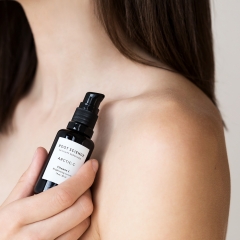
SKINCARE POWERED BY SCIENCE + NATURE
Take Our 60 Second Quiz To Find Your Perfect Skincare Match
The Best Polyphenol-Rich Oils For Your Skin
Not all botanical oils are created equal when it comes to polyphenol content. Plants that grow in extreme environments – like the volcanic terrain, Arctic winds and intense UV exposure found across Iceland and the Nordic regions – produce significantly higher concentrations of these protective compounds. It’s nature’s way of fortifying from within. This is exactly why we source many of our key ingredients from these landscapes, and it’s a cornerstone of what makes our formulations so effective.
Oat oil is the exclusive source of avenanthramides, polyphenols with exceptional anti-inflammatory and barrier-restoring properties. For sensitive, reactive or easily irritated skin, it’s an extraordinary choice.
Black currant oil is loaded with anthocyanins that have been shown to increase collagen, elastin and hyaluronic acid production in skin cells. Combined with its rich GLA content, it delivers both polyphenol protection and deep nourishment.
Blackberry seed oil is rich in ellagic acid and anthocyanins, offering potent antioxidant and photoprotective benefits along with a balanced ratio of omega fatty acids that strengthen the skin barrier.
Raspberry seed oil shares blackberry’s ellagic acid content and pairs it with high levels of vitamin E, making it a well-rounded oil that combines polyphenol protection with nourishing hydration.
Sea buckthorn oil contains over 190 bioactive compounds, including a wealth of polyphenols that protect against oxidative stress and inhibit the enzymes that break down collagen and elastin.
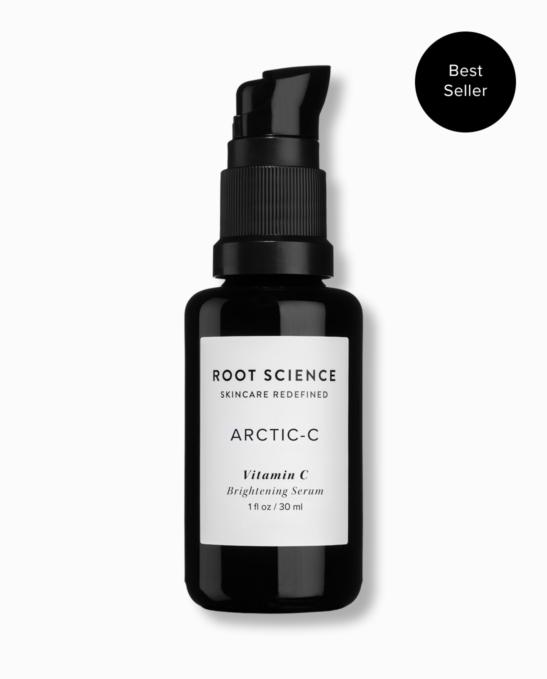
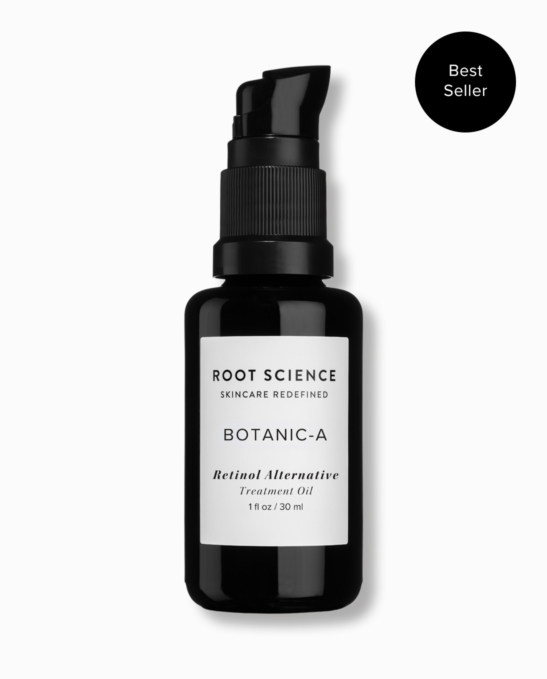
The powerful ingredients above are featured in many of our serums including our Botanic-A Natural Retinol Alternative Serum and our Arctic-C Vitamin C Brightening Serum.
How To Get More Polyphenols In Your Routine
Polyphenols benefit your skin both topically and internally. For topical application, look for products formulated with polyphenol-rich botanical oils like the ones above. But sourcing is only half the equation – how those oils are extracted matters just as much. Polyphenols are delicate compounds that can be damaged by heat and oxygen.
That’s why we use supercritical CO2 extraction, a state-of-the-art method that preserves the full potency of these fragile compounds. Unlike conventional cold-pressing, CO2 extraction never exposes the oil to oxygen or high heat, yielding the purest, most nutrient-dense extracts possible.
When you combine Nordic-sourced botanicals with this level of extraction precision, the result is a polyphenol concentration that’s simply unmatched.
From a dietary perspective, foods like dark berries, green tea, dark chocolate, turmeric and red grapes are all excellent sources. Clinical research supports the idea that combining topical and dietary polyphenols delivers the most complete skin benefits.
Frequently Asked Questions
Are polyphenols safe for sensitive skin?
Absolutely. Polyphenols like the avenanthramides in oat oil are specifically studied for their ability to calm sensitive, irritated skin. They’re naturally gentle and well-tolerated.
Can polyphenols replace sunscreen?
No. Polyphenols are a powerful complement to sunscreen, not a replacement. Think of them as your second line of defense, working alongside SPF for more comprehensive protection.
How long until I see results?
Clinical research suggests visible improvements can appear in as little as two weeks. The most significant results – including improvements in firmness, wrinkle depth and skin tone – typically develop over 4 to 12 weeks.
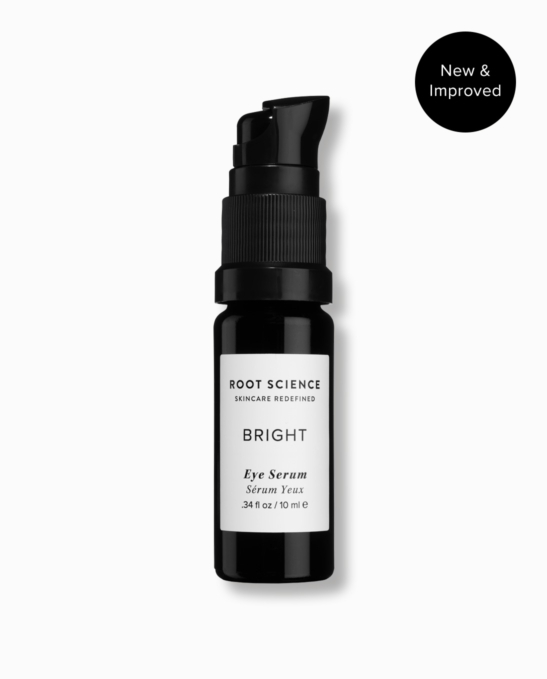
Ready to experience the power of polyphenols? Explore our collection of polyphenol-rich formulations – featuring oat oil, black currant oil, blackberry seed oil, raspberry seed oil, sea buckthorn and more.
Shop Featured Products
Disclaimer: This content is for informational and educational purposes only. It is not intended to provide medical advice or to take the place of such advice or treatment from a personal physician. All readers/viewers of this content are advised to consult their doctors or qualified health professionals regarding specific health questions. Neither Root Science nor the publisher of this content takes responsibility for possible health consequences of any person or persons reading or following the information in this educational content. All viewers of this content, especially those taking prescription or over-the-counter medications, should consult their physicians before beginning any skincare, nutrition, supplement or lifestyle program. The views and products expressed are not intended to treat, cure or prevent any disease.
Scientific References:
Guo, Y. et al. (2022). Effects of Natural Polyphenols on Skin and Hair Health: A Review. Molecules, 27(22), 7906.
Hussain, T. et al. (2024). The Promising Role of Polyphenols in Skin Disorders. Molecules, 29(4), 865.
Kim, J. et al. (2022). The Molecular Mechanism of Polyphenols with Anti-Aging Activity in Aged Human Dermal Fibroblasts. Molecules, 27(14), 4351.
Afaq, F. & Katiyar, S.K. (2011). Polyphenols: Skin Photoprotection and Inhibition of Photocarcinogenesis. Mini Reviews in Medicinal Chemistry, 11(14), 1200–1215.
Chowdhury, A. et al. (2021). Polyphenol treatments increase elastin and collagen deposition by human dermal fibroblasts. Journal of Dermatological Science, 102(2), 94–100.
Matsumoto, H. et al. (2018). Blackcurrant Anthocyanins Increase the Levels of Collagen, Elastin, and Hyaluronic Acid in Human Skin Fibroblasts. Nutrients, 10(4), 495.
Sur, R. et al. (2008). Avenanthramides, polyphenols from oats, exhibit anti-inflammatory and anti-itch activity. Archives of Dermatological Research, 300, 569–574.
Meydani, M. (2009). Potential health benefits of avenanthramides of oats. Nutrition Reviews, 67(12), 731–735.
Nobile, V. et al. (2020). Antioxidant and reduced skin-ageing effects of a polyphenol-enriched dietary supplement. Food & Nutrition Research, 64, 5619.
Panich, U. et al. (2022). Role of Phytochemicals in Skin Photoprotection via Regulation of Nrf2. Frontiers in Pharmacology, 13, 823881.
Ratz-Łyko, A. et al. (2025). Trans-resveratrol reduces visible signs of skin ageing in healthy adult females over 40. Frontiers in Aging, 6, 1727244.
Image Sources: Purple and Black Abstract via Pawel Czerwinski