
If your skin stings after applying moisturizer, turns red from a new cleanser, or flares up for seemingly no reason at all — you’re not imagining things. Sensitive skin is one of the most common skin concerns in the world, and yet it remains one of the most misunderstood.
Here’s what many people don’t realize: sensitive skin isn’t just about what you put on your face. It’s about everything your skin comes into contact with throughout the day — from the detergent on your pillowcase to the air freshener in your bathroom. And when your barrier is compromised, even the smallest trigger can set off a cascade of redness, irritation, and discomfort.
The good news? Once you understand what’s actually causing your skin to react, calming it down becomes remarkably straightforward.
Let’s start by looking at some common mistakes that could be keeping your skin in a constant state of stress.
What Makes Skin “Sensitive” in the First Place?
Your skin’s outermost layer — the stratum corneum — acts as a protective shield. It’s held together by a delicate matrix of lipids including ceramides, cholesterol, and fatty acids. When this barrier is healthy, it keeps moisture locked in and irritants locked out.
Sensitivity in skin occurs when this barrier becomes weakened or compromised. The tiny cracks that form allow moisture to escape and foreign substances to penetrate, triggering inflammation, redness, stinging, and dryness.
Some people are born with a naturally more sensitive barrier (often those with conditions like eczema or rosacea), while others develop sensitivity over time through repeated exposure to irritants.
The key to managing sensitive skin isn’t just treating symptoms — it’s identifying and removing the triggers that could be damaging your barrier in the first place.
The 5 Biggest Mistakes People Make With Sensitive Skin
1. Ignoring Fragrance in Skincare Products
This is one of the most impactful change you can make for reactive skin, and it’s one most people overlook.
Fragrance — whether synthetic or natural — is recognized by dermatologists as one of the leading causes of allergic contact dermatitis from cosmetic products. The American Academy of Dermatology has identified fragrance as responsible for a significant portion of all cosmetic-related skin reactions.
What makes fragrance particularly problematic is that it can cause damage even when you don’t see an immediate reaction.
Fragrance components can trigger low-grade inflammation at the cellular level — what dermatologists call “silent inflammation.”
Over time, this invisible irritation accelerates collagen breakdown, increases water loss through the skin, and makes your barrier progressively weaker.
And here’s what catches many people off guard: natural fragrances aren’t necessarily safer. Essential oils like lavender, tea tree, and citrus contain numerous compounds that can trigger reactions just as easily as synthetic fragrances. Citrus oils can even cause photosensitivity, making your skin more vulnerable to sun damage.
What to do instead: Look for products labeled “fragrance-free” rather than “unscented.” Unscented products may still contain masking fragrances to neutralize the smell of other ingredients. True fragrance-free formulations eliminate these compounds entirely. When reading labels, watch for the words “fragrance,” “parfum,” and common irritant compounds like linalool, limonene, and cinnamal.
2. Overlooking Your Laundry Detergent
You might have the most gentle, fragrance-free skincare routine in the world — and still wake up with irritated skin every morning. The possible culprit? Your pillowcase.
Laundry detergent residue sits against your skin for hours at a time, especially on bedding, towels, and close-fitting clothing. The fragrances, dyes, surfactants, and preservatives in conventional detergents are known triggers for contact dermatitis.
Because your entire body comes into contact with washed fabrics, reactions can appear anywhere — but they’re especially common in areas where clothing fits snugly or where skin is thinnest, like the face, neck, underarms, and behind the knees.
Fabric softeners and dryer sheets compound the problem by depositing a waxy, chemical-laden residue directly onto fibers that then press against your skin all day and night.
What to do instead: Switch to a fragrance-free, dye-free, hypoallergenic laundry detergent. Skip the fabric softener and scented dryer sheets entirely. Instead, opt for reusable dryer balls (a bonus for the environment).
Consider running an extra rinse cycle to remove residual detergent from your fabrics. And don’t forget to clean your washing machine monthly — detergent buildup and mildew inside the drum can transfer irritants right back onto your freshly washed clothes.
3. Using Air Fresheners, Candles, and Plug-Ins
That vanilla-scented candle or lavender plug-in diffuser in your bedroom might be creating a cozy atmosphere, but it could also be sabotaging your skin.
Air fresheners, scented candles (natural and synthetic), and plug-in diffusers release volatile organic compounds (VOCs) and fragrance chemicals into the air that settle on your skin, your bedding, and every surface in your home. Research has shown that household fragrance products are among the most commonly reported triggers for skin irritation, respiratory issues, and sensitivity reactions.
For someone with a compromised skin barrier, these airborne irritants are essentially bathing your skin in a low-level chemical exposure around the clock — even while you sleep.
What to do instead: Remove plug-in air fresheners and synthetic room sprays from your home, especially from your bedroom and bathroom. If you enjoy ambient scent, try opening windows for fresh air. Be mindful of scented candles as well — when burned, many release compounds like formaldehyde and toluene that can irritate both skin and lungs.
4. Over-Exfoliating and Using Too Many Active Ingredients
In the age of elaborate multi-step skincare routines, one of the most common causes of sensitive skin is self-inflicted. Layering multiple active ingredients — retinol, glycolic acid, vitamin C, salicylic acid, and exfoliating scrubs — can systematically strip away the very barrier your skin needs to stay healthy.
When used incorrectly, too frequently, or in overly high concentrations, these ingredients cause micro-damage to the stratum corneum. The result is skin that appears dry, red, and irritated — and a barrier so weakened that even previously tolerated products begin to sting.
The irony is that many people respond to this irritation by adding more products to fix the problem, creating a cycle of damage and reactivity that becomes increasingly difficult to break.
What to do instead: Simplify your routine. If your skin is reactive, scale back to the essentials: a gentle cleanser, a barrier-supportive moisturizer, and sun protection. Once your skin has calmed down (this can take several weeks), you can slowly reintroduce one active ingredient at a time, starting with the lowest concentration and using it only a few times per week. Remember — when it comes to active ingredients, more is not better. Your skin benefits most from thoughtful, consistent use.
5. Washing Your Face With Hot Water
It seems harmless enough, but hot water is one of the most underestimated enemies of sensitive skin. High temperatures strip the natural oils from your skin’s surface — the very lipids that hold your moisture barrier together. The result is increased transepidermal water loss (TEWL), tightness, and a barrier left even more vulnerable to irritants.
Hot showers and steamy face washes also dilate blood vessels, which can worsen redness and flushing — particularly problematic for those prone to rosacea.
What to do instead: Wash your face with lukewarm water only. It should feel comfortable to the touch — never hot. The same goes for showers. While a steaming hot shower may feel relaxing, keeping the temperature moderate will make a noticeable difference in your skin’s comfort and resilience over time.
A Gentle Skincare Routine for Sensitive Skin
Now that we’ve addressed the environmental and lifestyle triggers, let’s build a skincare routine that actively supports barrier repair. The goal here is simple: nourish, protect, and avoid irritation at every step.
Morning Routine
Step 1: Cleanse Gently Use a fragrance-free, sulfate-free cleanser with lukewarm water. Look for formulas that contain soothing ingredients like oat extract, which is rich in avenanthramides — unique anti-inflammatory compounds that calm reactive skin on contact. Avoid foaming cleansers, which tend to contain harsher surfactants that strip natural oils.
Step 2: Hydrate and Soothe While your skin is still slightly damp, apply a lightweight, barrier-supportive serum or oil. Ingredients to look for include squalane (which mimics your skin’s natural lipids), jojoba oil (a liquid wax ester nearly identical to human sebum), and oat kernel oil (rich in ceramides and vitamin E). These botanicals integrate seamlessly into your skin’s lipid structure rather than just sitting on the surface.
Step 3: Protect Finish with a mineral sunscreen containing zinc oxide or titanium dioxide. Mineral sunscreens sit on top of the skin and physically reflect UV rays, making them far less likely to cause irritation than chemical sunscreen filters, which absorb into the skin and can trigger reactions in sensitive individuals.
Evening Routine
Step 1: Remove Makeup and Cleanse If you wear makeup, start with a gentle oil-based cleanser or micellar water to dissolve makeup without aggressive rubbing or tugging. Follow with your gentle cleanser and lukewarm water.
Step 2: Repair and Nourish Evening is the ideal time to focus on barrier repair. Apply a nutrient-rich facial oil containing ingredients like bakuchiol (for gentle retinol-like results without irritation), oat oil (a rich source of antioxidants and soothing compounds for skin renewal), black currant seed oil (one of nature’s richest sources of gamma-linolenic acid for calming inflammation), and jojoba oil (replenishes lipids your skin loses with age).
The key is choosing oils that have been cold-pressed or CO2-extracted to preserve their full spectrum of antioxidants and fatty acids. Heavily refined oils have been stripped of the very nutrients that make them therapeutic.
Step 3: Seal It In (If Needed) If your skin tends toward dryness, you can layer a fragrance-free balm or richer cream over your facial oil to lock in moisture overnight. This “sandwich” method — hydration followed by occlusion — helps your skin retain every bit of nourishment while it repairs itself during sleep.
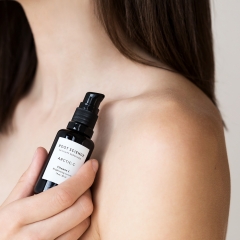
SKINCARE POWERED BY SCIENCE + NATURE
Take Our 60 Second Quiz To Find Your Perfect Skincare Match
The Bigger Picture: How Diet Affects Sensitive Skin
True skin health is never just about what you apply topically. Your skin is your body’s largest organ, and it reflects what’s happening internally — especially when it comes to inflammation. And inflammation, as it turns out, is at the very heart of skin sensitivity.
The Diet-Skin Connection
Every time you eat, you’re either causing or reducing inflammation. For someone with sensitive, reactive skin, this matters enormously. Chronic low-grade inflammation — the kind driven by dietary choices over weeks, months, and years — weakens your skin’s moisture barrier from the inside, making it far more vulnerable to the external triggers we’ve already discussed.
Research has consistently shown that what we eat directly influences the skin’s ability to maintain barrier integrity, regulate inflammatory responses, and repair damage. In other words, your diet can either be your skin’s strongest ally or its most persistent enemy.
Certain foods are known to promote systemic inflammation. Refined sugars and processed carbohydrates cause blood sugar spikes that trigger a cascade of inflammatory responses, including the production of advanced glycation end products (AGEs) — compounds that damage collagen and elastin.
Highly processed vegetable oils (like soybean, corn, and sunflower oil) are loaded with omega-6 fatty acids which, when consumed in excess without enough omega-3s to balance them, tip the body toward a pro-inflammatory state. Dairy, alcohol, and heavily processed foods can also contribute to inflammation and exacerbate skin conditions like rosacea, eczema, and general reactivity.
Embracing an Anti-Inflammatory Diet for Skin Health
An anti-inflammatory diet is one of the most powerful — and most overlooked — tools for supporting heathy skin. By choosing foods that actively reduce inflammation, you support your skin’s ability to heal, maintain its barrier, and resist the environmental aggressors it encounters every day.
Here’s what an anti-inflammatory approach to eating looks like in practice:
Omega-3 Fatty Acids are among the most potent anti-inflammatory nutrients available. Found abundantly in wild-caught fatty fish (salmon, mackerel, sardines), walnuts, flaxseed, and chia seeds, omega-3s help regulate your body’s inflammatory response and support the lipid structures that hold your skin barrier together. Studies have shown that increasing omega-3 intake can reduce skin sensitivity, improve hydration, and even offer a degree of natural protection against UV-induced inflammation.
Antioxidant-Rich Fruits and Vegetables provide the compounds your skin needs to neutralize free radicals and calm oxidative stress. Deeply colored produce — berries, leafy greens, sweet potatoes, beets, and bell peppers — deliver vitamins A, C, and E along with polyphenols and carotenoids that protect skin cells from damage. Vitamin C in particular plays a critical role in collagen synthesis and barrier repair, while vitamin E works synergistically to protect your skin’s lipid layer from oxidative breakdown.
Healthy Fats from Whole Food Sources like avocados, extra virgin olive oil, nuts, and seeds provide the essential fatty acids your body needs to produce the ceramides and lipids that keep your barrier strong. These fats also improve the absorption of fat-soluble vitamins (A, D, E, and K) that are critical for skin health and repair.
Gut-Supporting Foods deserve special attention because the gut-skin axis is one of the most exciting areas of dermatological research. An imbalanced gut microbiome has been linked to increased systemic inflammation and worsening of inflammatory skin conditions. Fermented foods like sauerkraut, kimchi, yogurt, and kefir introduce beneficial bacteria that support a balanced microbiome. Prebiotic-rich foods — garlic, onions, asparagus, and bananas — feed the good bacteria already present in your gut and help them thrive.
Hydration is foundational and often underestimated. Water supports every cellular process in your body, including the delivery of nutrients to skin cells and the removal of waste products that can contribute to inflammation. Herbal teas — particularly green tea, which is rich in anti-inflammatory polyphenols — offer additional skin-supportive benefits.
Foods to Minimize
Just as important as what you add to your plate is what you reduce. Refined sugar, processed snack foods, fast food, excessive alcohol, and artificial additives all promote the kind of chronic, low-level inflammation that keeps sensitive skin in a constant state of reactivity. You don’t need to strive for perfection — but shifting the overall balance of your diet toward whole, nutrient-dense, anti-inflammatory foods can create a noticeable difference in your skin’s comfort and resilience over time.
Think of it this way: your skincare routine addresses your skin from the outside in, while an anti-inflammatory diet supports it from the inside out. When both work together, you’re giving your skin the best possible foundation for lasting calm and strength.
Bringing It All Together
When you combine a simplified, barrier-supportive skincare routine with attention to the hidden environmental triggers most people miss — fragrance in laundry products, airborne irritants from candles and fresheners and pair it with an anti-inflammatory diet that nourishes your skin from within, you create the conditions that help your skin thrive and build lasting resilience.
Sensitive skin doesn’t have to mean a lifetime of reactions and restrictions. It simply means your skin is asking you to pay closer attention — to what touches it, what surrounds it, and what fuels it. When you do, the results can be truly transformative.
Shop Featured Products
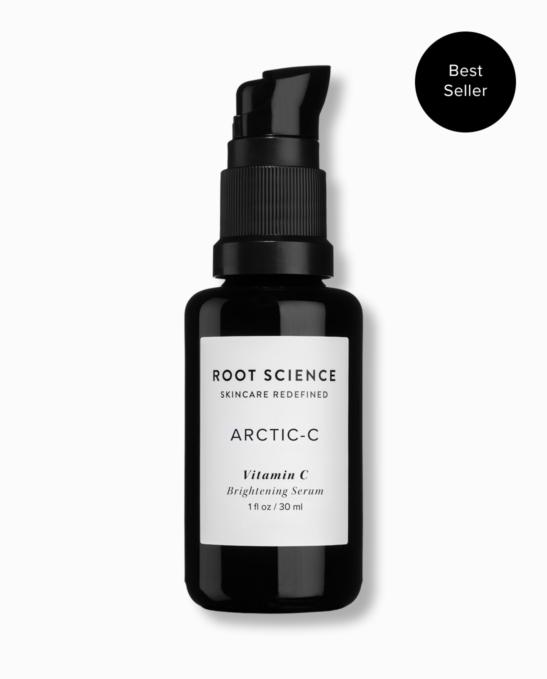
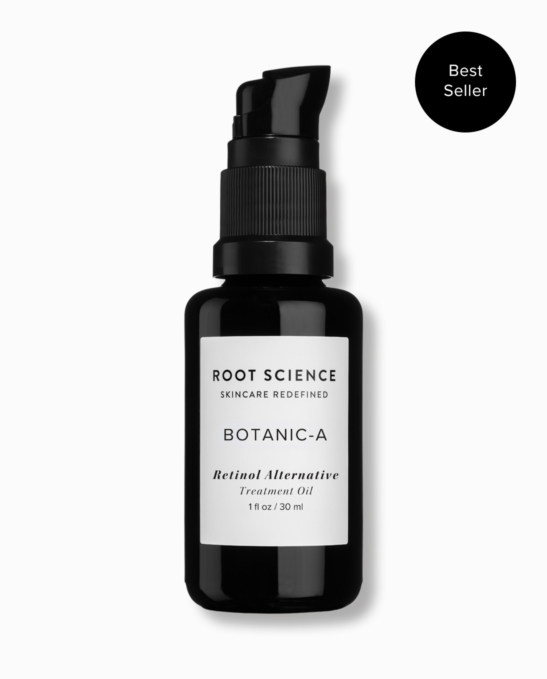
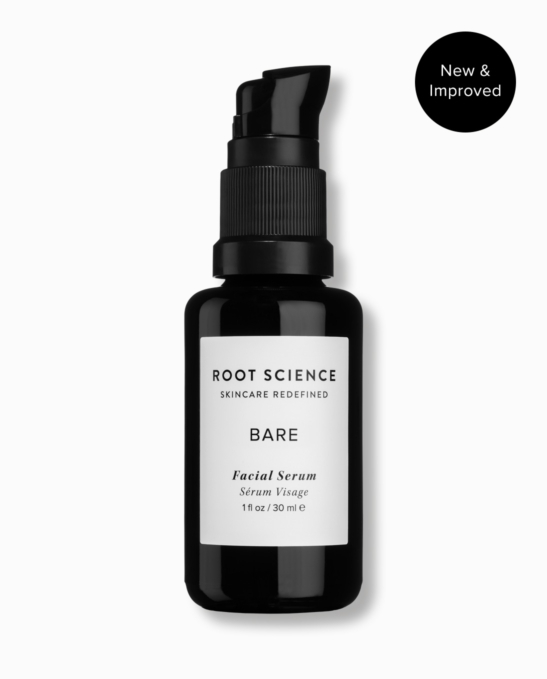
Disclaimer: This content is for informational and educational purposes only. It is not intended to provide medical advice or to take the place of such advice or treatment from a personal physician. All readers/viewers of this content are advised to consult their doctors or qualified health professionals regarding specific health questions. Neither Root Science nor the publisher of this content takes responsibility for possible health consequences of any person or persons reading or following the information in this educational content. All viewers of this content, especially those taking prescription or over-the-counter medications, should consult their physicians before beginning any skincare, nutrition, supplement or lifestyle program. The views and products expressed are not intended to treat, cure or prevent any disease.
Image Sources: Fair Skin via Valeria Smirnova