
If you’ve been relying on synthetic moisturizers to moisturize your skin, it’s time to discover what dermatological science has known for years: botanical oils are superior to their synthetic counterparts in nearly every measurable way.
The skincare industry has long pushed creams loaded with petroleum derivatives, cheap fillers and synthetic emulsifiers. But here’s what they don’t advertise: your skin doesn’t recognize these foreign molecules. Natural plant oils, however, contain the same lipid structures your skin produces naturally, making them inherently more effective at nourishing, protecting, and supporting skin barrier health. Without the extra questionable ingredients.
Let’s explore the science behind why oils work and examine ten powerhouse botanical oils that transform skin instantly.
Why Oils Win: The Science Behind Oils for Skin
Your skin’s outermost layer, the stratum corneum, is held together by lipids — primarily ceramides, cholesterol, and fatty acids. This lipid barrier determines whether your skin stays hydrated, protected, and youthful or becomes dry, sensitized, and prematurely aged.
Synthetic creams often contain occlusive agents like mineral oil and dimethicone that sit on skin’s surface, creating a temporary barrier without actually nourishing the underlying structure. While they may provide momentary relief from dryness, they don’t address the fundamental issue: lipid deficiency.
Botanical oils work differently. They contain fatty acid profiles that mirror your skin’s natural lipids, allowing them to integrate seamlessly into the barrier structure. This biocompatibility means oils don’t just moisturize, they actually repair and strengthen skin’s moisture barrier.
Research published in the International Journal of Molecular Sciences confirms that topical application of plant-derived fatty acids enhances barrier function, reduces transepidermal water loss (TEWL), and improves overall skin integrity. Simply put, oils give your skin the building blocks it needs.
Not All Oils Are Created Equal
The skincare industry often relies on cheap, mass-produced and heavily refined oils that have been stripped of their nutrients, meaning they may do little more than sit on your skin’s surface. We’ve carefully selected the best oils for skin — those with exceptional nutrient density, proven efficacy, and superior quality.
These botanical oils are rich in antioxidants, vitamins, and therapeutic fatty acids that deliver real results. Whether your skin is oily, dry, or somewhere in between, there’s an oil perfectly suited to your needs — from lightweight, fast-absorbing jojoba to rich, deeply nourishing macadamia and tamanu.
10 Botanical Oils That Transform Your Skin
1. Jojoba Oil
Despite its name, jojoba is technically a liquid wax ester with a composition remarkably similar to human sebum. This unique structure allows it to absorb rapidly without clogging pores or leaving residue.
Jojoba is exceptionally stable due to its high concentration of fatty alcohols and vitamin E, meaning it resists oxidation far better than most plant oils. It delivers sustained moisture while providing anti-inflammatory benefits, ideal for easily irritated skin.
For those struggling with both dryness and breakouts, jojoba balances oil production without triggering congestion.
2. Rosehip Oil
This ruby-colored oil contains an impressive concentration of pro-vitamin A (beta-carotene), along with omega-6 linoleic acid. Together, these compounds promote skin renewal, help fade the look of dark spots, and support the look of collagen-rich skin.
Studies demonstrate that rosehip oil significantly improves skin elasticity and reduces the depth of wrinkles after consistent use. Its high linoleic acid content also makes it beneficial for acne-prone skin, as research shows that individuals with breakouts often have lower levels of this essential fatty acid in their sebum.
3. Pomegranate Seed Oil
Pomegranate oil contains rare punicic acid, a conjugated omega-5 fatty acid with extraordinary antioxidant properties. Research indicates that punicic acid demonstrates stronger free radical scavenging activity than most other botanical antioxidants, offering superior protection against UV-induced damage and environmental stressors.
The oil also contains abundant punicalagins, polyphenolic compounds that provide potent anti-inflammatory effects. Together, these constituents help prevent collagen degradation while supporting skin’s natural repair processes.
4. Macadamia Nut Oil
What sets macadamia oil apart is its high palmitoleic acid content — an omega-7 fatty acid that diminishes naturally as we age. Supplementing skin with this rare fatty acid helps restore barrier integrity and combat signs of aging.
Macadamia oil absorbs beautifully despite its richness, leaving skin feeling silky rather than greasy. Its balanced ratio of omega-3, 6, 7, and 9 fatty acids makes it particularly effective for mature or compromised skin that needs intensive nourishment without irritation.
5. Tamanu Oil
Pressed from the nuts of the Calophyllum inophyllum tree, tamanu oil contains a unique combination of therapeutic compounds including calophyllic acid, calophyllolide, and lactone. Research confirms these constituents provide significant antibacterial and anti-inflammatory benefits.
Tamanu also contains coumarins and xanthones — powerful antioxidants that protect against oxidative stress. While this oil is quite viscous and best used in expertly formulated blends, its skin-regenerating properties make it invaluable for damaged or aging skin.
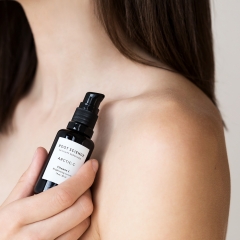
SKINCARE POWERED BY SCIENCE + NATURE
Take Our 60 Second Quiz To Find Your Perfect Skincare Match
6. Black Cumin Seed Oil
Also known as black seed or Nigella sativa oil, this ancient remedy contains thymoquinone, a compound with remarkable anti-inflammatory and antimicrobial properties.
Clinical studies show that black cumin seed oil can help with conditions ranging from eczema to acne while providing antioxidant protection.
The oil’s high linoleic acid content helps regulate sebum production and maintain barrier function, making it beneficial for both dry and combination skin types.
7. Raspberry Seed Oil
Don’t let this oil’s rarity in skincare formulas fool you — raspberry seed oil is a powerhouse ingredient that delivers impressive results. It boasts one of the highest concentrations of vitamin E among botanical oils, along with abundant provitamin A and essential fatty acids that work synergistically to protect and nourish skin.
What makes raspberry seed oil particularly valuable is its high alpha-linolenic acid content, an omega-3 fatty acid that provides potent anti-inflammatory benefits. Its lightweight texture absorbs beautifully, making it ideal for sensitive, reactive, or dry skin that needs gentle yet effective nourishment.
8. Milk Thistle Seed Oil
Rich in silymarin — a flavonoid complex with potent antioxidant properties — milk thistle oil protects skin from free radical damage while supporting natural repair mechanisms.
Studies indicate that silymarin helps prevent UV-induced photoaging and may even inhibit melanin production, offering benefits for hyperpigmentation. The oil’s high linoleic acid content also contributes to barrier repair and anti-inflammatory effects.
9. Oat Kernel Oil
Oat oil contains avenanthramides, unique polyphenolic compounds found exclusively in oats. Research shows these molecules provide exceptional anti-inflammatory and anti-itch benefits, making oat oil ideal for sensitive, reactive, or compromised skin.
The oil also contains ceramides, squalene, and vitamin E — all crucial components of healthy skin barrier function. Its silky texture and rapid absorption make it a pleasure to use despite its therapeutic potency.
10. Black Currant Seed Oil
Black currant oil is one of the few plant sources of gamma-linolenic acid (GLA), an omega-6 fatty acid with powerful anti-inflammatory properties.
Studies demonstrate that GLA supplementation — both oral and topical — significantly improves skin moisture, elasticity, and barrier function.
The oil also contains substantial amounts of alpha-linolenic acid and antioxidants that work synergistically to calm inflammation and protect against environmental damage.
The Bottom Line on Best Oils for Skin
Not all moisturizers are created equal. While synthetic creams may offer temporary cosmetic benefits, botanical oils work with your skin’s natural biology to create lasting improvements in barrier function, moisture retention, and overall resilience.
By choosing formulations rich in these scientifically validated oils, you’re giving your skin the molecular building blocks it needs to maintain optimal health and appearance.
The key is selecting high-quality oils extracted by methods, such as CO2 and cold-pressed, that preserve their natural antioxidants and that are housed in light-protective packaging.
When formulated correctly, these botanical treasures outperform even the most expensive synthetic alternatives — not through marketing promises, but through fundamental compatibility with human skin biology.
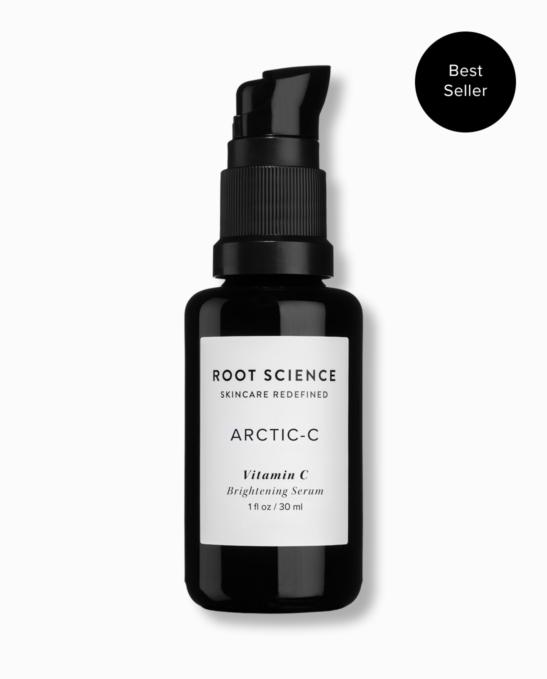
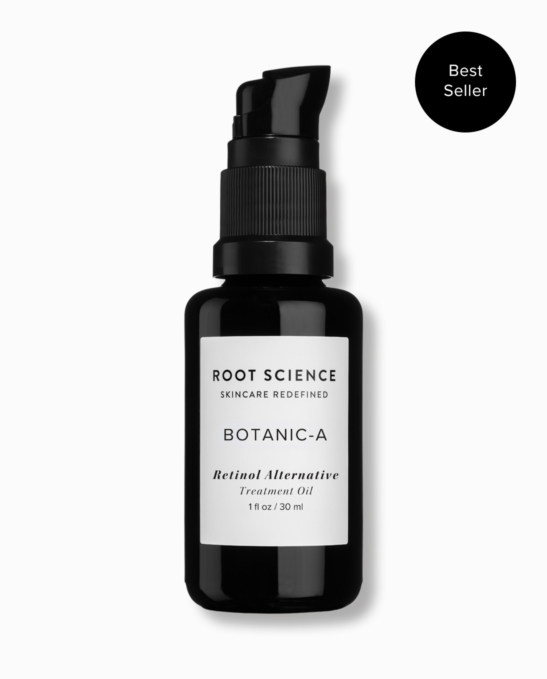
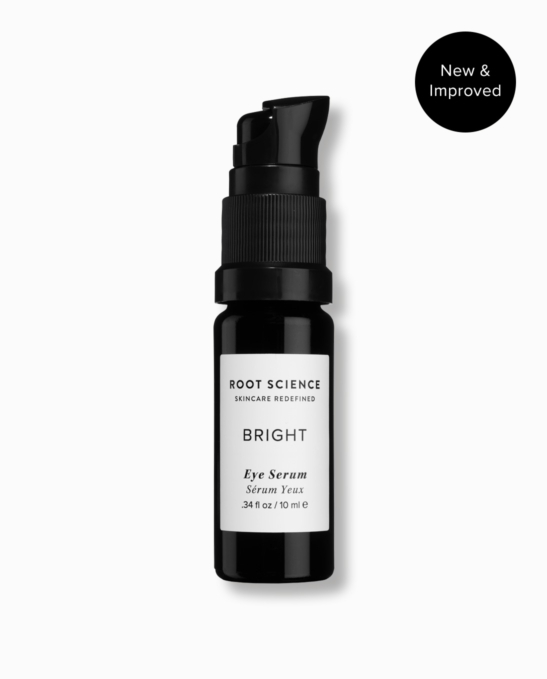
Shop Featured Products
Disclaimer: This content is for informational and educational purposes only. It is not intended to provide medical advice or to take the place of such advice or treatment from a personal physician. All readers/viewers of this content are advised to consult their doctors or qualified health professionals regarding specific health questions. Neither Root Science nor the publisher of this content takes responsibility for possible health consequences of any person or persons reading or following the information in this educational content. All viewers of this content, especially those taking prescription or over-the-counter medications, should consult their physicians before beginning any skincare, nutrition, supplement or lifestyle program. The views and products expressed are not intended to treat, cure or prevent any disease.
Image Sources: Blended colorful oils via Diana