
Antioxidants have become the gold standard in modern skincare, and for good reason. These powerful molecules act as your skin’s first line of defense against environmental aggressors, oxidative stress, and premature aging.
From vitamin C to lesser-known powerhouses like astaxanthin, antioxidants deliver transformative benefits that work at the cellular level to protect, repair, and revitalize your complexion.
Keep reading to discover the science behind how antioxidants protect your skin and which specific antioxidants deliver the most dramatic results for achieving radiant, youthful-looking skin.
The Science Behind Antioxidants and Skin Health
Understanding how antioxidants work requires a basic grasp of free radicals and oxidative stress. Free radicals are unstable molecules created by environmental factors like UV radiation, pollution, stress, and even normal metabolic processes.
These rogue molecules damage skin cells by stealing electrons from healthy molecules in a process called oxidation, leading to visible signs of aging, inflammation, and compromised skin barrier function.
Antioxidants neutralize free radicals by donating electrons without becoming unstable themselves, effectively stopping the chain reaction of cellular damage.
Research published in dermatological journals confirms that topical antioxidants significantly reduce oxidative stress markers in the skin, preventing DNA damage and supporting the skin’s natural repair mechanisms.
This protective action translates into real-world benefits: reduced fine lines and wrinkles, improved skin tone and texture, enhanced barrier function, and protection against environmental damage that accelerates aging.
Neutralizing Free Radical Damage
The primary mechanism through which antioxidants protect skin is free radical neutralization.
Clinical studies demonstrate that antioxidant-rich skincare formulations can reduce oxidative stress by up to 60% when applied consistently.
This protection is particularly crucial because free radical damage accumulates over time, with research showing that up to 80% of visible aging stems from environmental factors rather than chronological aging alone.
Supporting Collagen Production
Many antioxidants play a direct role in collagen synthesis, the protein responsible for skin firmness and elasticity.
Vitamin C, for instance, serves as an essential cofactor in collagen production, while other antioxidants protect existing collagen from enzymatic breakdown.
This dual action helps maintain skin structure and reduces the appearance of fine lines and sagging.
Reducing Inflammation and Hyperpigmentation
Oxidative stress triggers inflammatory pathways that lead to redness, sensitivity, and uneven skin tone.
Antioxidants interrupt these inflammatory cascades, calming irritated skin and preventing the melanin overproduction that causes dark spots and hyperpigmentation.
Studies show that consistent antioxidant use can dramatically reduce post-inflammatory hyperpigmentation over several weeks, with results improving over time.
Strengthening Skin Barrier Function
Your skin’s protective barrier depends on healthy lipids and proteins that can be damaged by oxidative stress.
Antioxidants help preserve barrier integrity by protecting these essential components from degradation, resulting in improved hydration retention, reduced sensitivity, and better overall skin resilience.
The Best Antioxidants for Skin: A Science-Backed Guide
1. Stable Vitamin C (Tetrahexyldecyl Ascorbate)
Vitamin C stands as one of the most researched and effective antioxidants for skin.
While traditional L-ascorbic acid offers powerful benefits, tetrahexyldecyl ascorbate represents a breakthrough in vitamin C stability.
This lipid-soluble form of vitamin C penetrates deeper into skin layers, remains stable in formulations, and causes minimal irritation compared to traditional forms.
Research demonstrates that tetrahexyldecyl ascorbate delivers exceptional brightening benefits by inhibiting tyrosinase, the enzyme responsible for melanin production.
Clinical trials show visible reduction in hyperpigmentation and improved skin luminosity within 4-6 weeks of consistent use.
Additionally, this stable vitamin C form supports collagen synthesis while providing robust antioxidant protection against UV-induced damage.
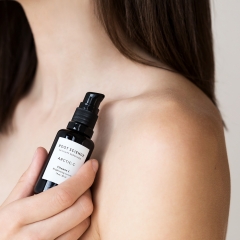
The lipophilic nature of tetrahexyldecyl ascorbate allows it to work synergistically with skin’s natural lipid barrier, making it particularly effective for all skin types, including sensitive and reactive skin that typically struggles with vitamin C products.
SKINCARE POWERED BY SCIENCE + NATURE
Take Our 60 Second Quiz To Find Your Perfect Skincare Match
2. Bakuchiol
Bakuchiol represents a breakthrough in anti-aging skincare for those seeking powerful results without retinol’s harsh side effects.
Derived from the babchi plant, this powerful antioxidant works beautifully as either a complete retinol replacement or as a complementary treatment on off-retinol days, allowing you to maximize anti-aging benefits while minimizing irritation.
Clinical studies published in the British Journal of Dermatology confirm that bakuchiol significantly reduces fine lines, wrinkles, and hyperpigmentation while improving skin elasticity and firmness. The antioxidant works by stimulating collagen production, accelerating cellular turnover, and neutralizing free radicals that accelerate aging.
What makes bakuchiol particularly remarkable is its gentle nature. Research shows comparable anti-aging results to retinol without the irritation, photosensitivity, peeling, or dryness commonly associated with traditional retinoids.
This makes it suitable for sensitive skin types and safe for daytime use. Bakuchiol also exhibits anti-inflammatory properties that calm redness and support overall skin health.
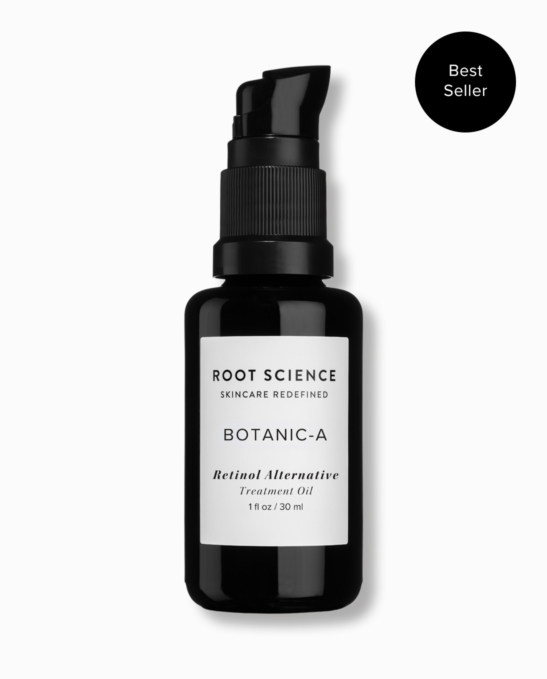
Bakuchiol is featured in our Botanic-A Natural Retinol Alternative Serum.
3. Astaxanthin
Often called “the king of antioxidants,” astaxanthin is a carotenoid derived from fresh water microalgae that delivers antioxidant power up to 6,000 times stronger than vitamin C.
This vibrant red pigment provides exceptional protection against UV-induced damage and oxidative stress.
Research demonstrates that astaxanthin significantly improves skin elasticity, reduces fine lines and wrinkles, and enhances skin moisture content. Clinical trials show that topical astaxanthin application increases skin hydration by up to 40% after 8 weeks of use, while also reducing crow’s feet depth and improving skin texture.
Astaxanthin’s unique molecular structure allows it to position itself across cell membranes, providing protection from both inside and outside the cell. This dual positioning makes it exceptionally effective at preventing lipid peroxidation and protecting against environmental damage from pollution and UV radiation.
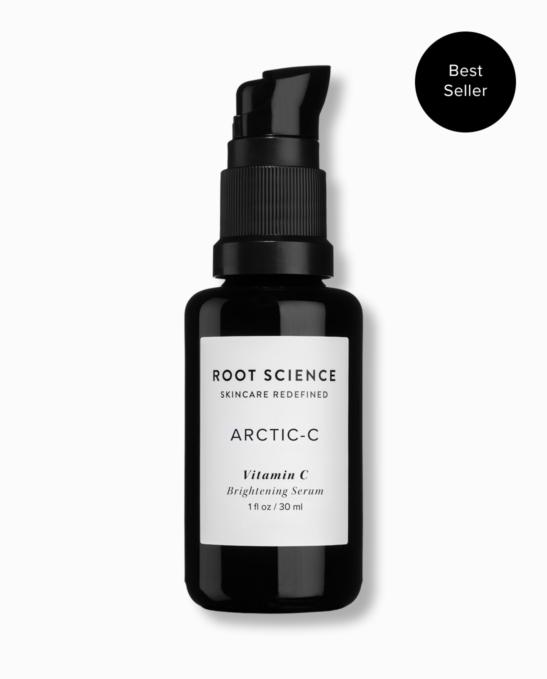
Astaxanthin in featured in many of our serums including our Botanic-A Natural Retinol Alternative Serum and our Arctic-C Vitamin C Brightening Serum.
4. Vitamin E (Tocopherols)
Vitamin E comprises a family of lipid-soluble antioxidants that protect cell membranes from oxidative damage.
As one of the most abundant antioxidants in skin, vitamin E plays a crucial role in maintaining skin barrier function and preventing moisture loss.
Studies show that vitamin E exhibits photoprotective properties, reducing UV-induced damage when applied topically before sun exposure.
The antioxidant also works synergistically with vitamin C, with research demonstrating that the combination provides greater photoprotection than either antioxidant alone.
Beyond its antioxidant capabilities, vitamin E supports skin healing, reduces inflammation, and helps fade scars and hyperpigmentation. Its moisturizing properties make it particularly beneficial for dry, mature, or compromised skin types.
5. Niacinamide (Vitamin B3)
Niacinamide functions as both an antioxidant and a versatile skin conditioning agent. This water-soluble vitamin delivers multiple benefits including sebum regulation, pore refinement, strengthened barrier function, and reduced hyperpigmentation.
Clinical research confirms that niacinamide reduces oxidative stress while improving skin elasticity and reducing fine lines.
Studies demonstrate significant improvements in skin texture, tone, and radiance after 12 weeks of consistent use. Niacinamide also exhibits anti-inflammatory properties that benefit acne-prone and sensitive skin types.
The antioxidant works by supporting cellular energy production and repair mechanisms, helping skin cells function optimally even under oxidative stress. This metabolic support translates into healthier, more resilient skin that better resists environmental damage.
6. Sea Buckthorn Oil
Sea buckthorn oil stands out as one of nature’s most nutrient-dense antioxidants, containing over 190 bioactive compounds including rare omega-7 fatty acids and carotenoids. Derived from the bright orange berries of the sea buckthorn plant, this potent oil delivers comprehensive skin protection and regeneration benefits.
Research demonstrates that sea buckthorn oil’s rich carotenoid content provides powerful antioxidant protection, with studies showing significant improvements in skin hydration, elasticity, and barrier function. The oil’s unique fatty acid profile supports skin regeneration at the cellular level, making it particularly effective for compromised skin.
Clinical studies reveal that topical application of sea buckthorn oil reduces inflammation, accelerates wound healing, and protects against UV-induced damage.
The oil’s high concentration of palmitoleic acid (omega-7) closely mimics compounds found naturally in youthful skin, helping restore lipid balance and support the skin’s protective barrier as it ages.
What makes sea buckthorn oil particularly valuable is its ability to work both as a powerful antioxidant and as a skin-nourishing treatment. The oil exhibits photoprotective properties while simultaneously delivering essential fatty acids that keep skin supple, resilient, and better able to defend against environmental stressors. Its anti-inflammatory benefits also make it beneficial for sensitive, reactive, or rosacea-prone skin types.
Sea buckthorn oil is featured in our Nordic Antioxidant Complex.
7. Black Currant Seed Oil
Black currant seed oil is a nutrient-rich botanical oil extracted from the seeds of black currant berries, renowned for its exceptional antioxidant and anti-inflammatory properties.
This deep purple-black oil contains one of nature’s highest concentrations of gamma-linolenic acid (GLA), an omega-6 fatty acid that plays a crucial role in maintaining skin health and reducing inflammation.
Research demonstrates that black currant seed oil’s unique fatty acid profile, which includes omega-3, omega-6, and the rare GLA, provides powerful antioxidant protection while supporting skin barrier function and moisture retention.
The oil’s high antioxidant content, including anthocyanins and polyphenols, helps neutralize free radicals and protect against environmental damage. Studies indicate that black currant seed oil exhibits strong anti-inflammatory properties, making it particularly beneficial for managing inflammatory skin conditions like eczema, psoriasis, and rosacea.
Its lightweight texture absorbs readily without leaving a greasy residue, making it suitable for all skin types including combination and acne-prone skin seeking anti-inflammatory and antioxidant benefits.
Black currant seed oil is featured in our Nordic Antioxidant Complex.
8. Resveratrol
Found naturally in grapes and berries, resveratrol has gained recognition for its potent antioxidant and anti-aging properties.
Research shows that resveratrol activates longevity genes called sirtuins, which support cellular repair and protection against age-related damage.
Studies demonstrate that topical resveratrol reduces oxidative stress, inhibits collagen breakdown, and provides anti-inflammatory benefits.
The antioxidant also exhibits photoprotective properties, helping shield skin from UV-induced damage and reducing sunburn cell formation.
Resveratrol’s ability to penetrate deeply into skin layers allows it to provide comprehensive protection at the cellular level, making it particularly effective for preventing and reversing signs of photoaging.
9. Pomegranate Extract
Pomegranate extract delivers extraordinary antioxidant power through its rich concentration of ellagic acid, punicalagins, and anthocyanins.
These potent polyphenols provide antioxidant protection that research suggests surpasses even green tea, making pomegranate one of nature’s most powerful defenders against oxidative stress and premature aging.
Clinical studies demonstrate that pomegranate extract stimulates keratinocyte proliferation and supports collagen synthesis, directly contributing to improved skin firmness and elasticity.
The extract’s unique compounds also exhibit remarkable anti-inflammatory properties that benefit various skin conditions. Studies indicate that pomegranate’s ellagic acid helps inhibit tyrosinase activity, making it particularly effective for brightening skin tone and reducing the appearance of age spots and hyperpigmentation.
What distinguishes pomegranate extract is its ability to support skin regeneration at multiple levels. The antioxidant promotes healthy cellular turnover, protects existing collagen and elastin from degradation, and provides ongoing defense against environmental aggressors that accelerate aging.
10. Coenzyme Q10 (Ubiquinone)
Coenzyme Q10 is a naturally occurring antioxidant that decreases with age, making topical supplementation through skincare particularly valuable for mature skin.
This powerful molecule supports cellular energy production while simultaneously protecting against oxidative damage.
Research shows that topical CoQ10 reduces UV-induced oxidative damage and decreases the depth of fine lines and wrinkles.
Clinical studies demonstrate that consistent application stimulates collagen and elastin production, improving skin firmness and elasticity over time.
The antioxidant also exhibits photoprotective properties, helping shield skin from environmental damage when applied before sun exposure. Its ability to replenish naturally declining CoQ10 levels makes it especially beneficial for anyone looking to revive dull, tired-looking skin.
Combining Antioxidants for Maximum Benefits
One of the most effective strategies for using topical antioxidant involves combining multiple antioxidants that work synergistically. Research demonstrates that antioxidant combinations often provide greater protection than single antioxidants used alone.
For example, combining vitamin C with vitamin E creates a powerful photoprotective duo, as vitamin C regenerates oxidized vitamin E, extending its antioxidant activity.
Similarly, pairing bakuchiol with vitamin C delivers both brightening and anti-aging benefits without irritation.
When formulating or layering antioxidant products, consider using complementary antioxidants that address multiple pathways of oxidative stress.
Including water-soluble antioxidants (like reservatrol and niacinamide) and lipid-soluble antioxidants (like tetrahexyldecyl ascorbate (vitamin C) and astaxanthin) in your skincare routine ensures comprehensive protection.
How to Incorporate Antioxidants Into Your Skincare Routine
To maximize antioxidant benefits, apply antioxidant-rich serums to clean, slightly damp skin.
Morning application is particularly important, as antioxidants provide crucial protection against daytime environmental stressors like UV radiation and pollution.
For optimal results, use antioxidant serums consistently for at least 8-12 weeks, as the protective and reparative benefits accumulate over time. Layer complementary antioxidants or choose formulations that combine multiple antioxidants for enhanced efficacy.
Remember that antioxidants work best as part of a comprehensive skincare routine that includes sun protection, proper cleansing, and adequate hydration. While antioxidants provide significant photoprotection, they should complement — not replace — daily broad-spectrum SPF.
Quality and Stability Matter
Not all antioxidant formulations deliver equal results.
Antioxidants can be notoriously unstable, degrading when exposed to light, air, or water. Choose products packaged in opaque containers to maintain potency.
Look for formulations that use stable forms of antioxidants (like tetrahexyldecyl ascorbate instead of L-ascorbic acid) and biocompatible delivery systems to ensure optimal penetration and efficacy.
High-quality products also incorporate supporting ingredients that enhance antioxidant absorption and stability.
The Bottom Line on Antioxidants for Skin
The science is compelling: antioxidants represent one of the most effective strategies for protecting skin health, preventing premature aging, and addressing existing signs of damage.
From the proven brightening power of tetrahexyldecyl ascorbate to the exceptional free radical defense of astaxanthin, these powerful molecules deliver measurable results backed by extensive research.
Whether you’re concerned about fine lines, hyperpigmentation, environmental damage, or overall skin health, incorporating targeted antioxidants into your daily routine offers comprehensive protection and visible improvements.
The key lies in choosing stable, well-formulated products with clinically-proven antioxidants and using them consistently as part of a complete skincare regimen.
Harness the protective power of these scientifically-validated ingredients and discover why antioxidants have become the cornerstone of effective, results-driven skincare worldwide.
Shop Featured Products
Disclaimer: This content is for informational and educational purposes only. It is not intended to provide medical advice or to take the place of such advice or treatment from a personal physician. All readers/viewers of this content are advised to consult their doctors or qualified health professionals regarding specific health questions. Neither Root Science nor the publisher of this content takes responsibility for possible health consequences of any person or persons reading or following the information in this educational content. All viewers of this content, especially those taking prescription or over-the-counter medications, should consult their physicians before beginning any skincare, nutrition, supplement or lifestyle program. The views and products expressed are not intended to treat, cure or prevent any disease.
Image Sources: Bubbles on Dark Background via Pawel Czerwinski