
If you’re searching for the best face oils for gua sha, you’re already making a smart choice for your skin. Gua sha — the ancient Chinese medicine technique that uses a smooth stone to gently massage the face — has been practiced for centuries to promote circulation, ease tension, and encourage a healthy, luminous complexion.
But here’s something many guides won’t tell you: the oil you pair with your gua sha tool matters just as much as the technique itself. Without the right oil, you create friction. With the right one, you create results.
Research has shown that gua sha significantly increases microcirculation to treated areas — meaning your skin is actively flushed with fresh blood flow during each stroke. That increased circulation means your skin is primed to absorb whatever you apply, making your choice of face oil especially important.
We’ve spent over a decade formulating high-performance botanical facial oils, testing hundreds of plant oils along the way. Below, we’re sharing eleven of the best face oils for gua sha — each one selected for its texture, skin compatibility, and proven benefits.
11 Best Face Oils For Gua Sha
1. Jojoba Oil — The Universal Base
If you could choose only one oil for gua sha Jojoba would be it.
Technically a liquid wax ester rather than a true oil, jojoba has a molecular structure remarkably similar to human sebum — the natural oil your skin produces. This is why it absorbs so beautifully without clogging pores or leaving a greasy residue.
What makes jojoba so special is how well your skin recognizes it. Because its composition mirrors your own natural oils, jojoba doesn’t just sit on top of your skin — it works with it. Clinical research supports what we’ve seen firsthand: jojoba has demonstrated anti-inflammatory, antioxidant, and skin-healing properties, and it’s been shown to enhance how well your skin absorbs other beneficial ingredients.
One clinical study even found that participants using a jojoba-based facial treatment experienced a noticeable reduction in skin lesions after just six weeks.
For gua sha, jojoba provides the ideal glide: lightweight enough for oily and combination skin, moisturizing enough for drier types, and gentle enough for sensitive complexions. It delivers flavonoids, vitamin E, and long-chain fatty acids that strengthen your skin’s moisture barrier with each pass of the stone.
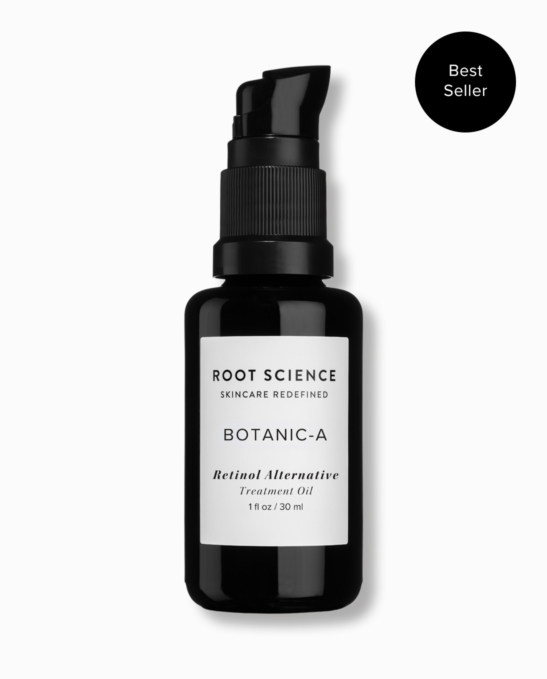
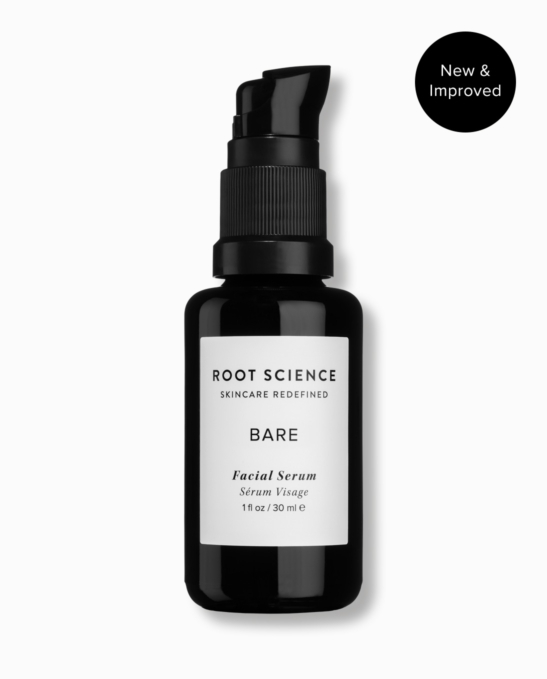
You’ll find jojoba as the nourishing foundation in all of our Root Science facial serums, including Bare and Botanic-A.
Shop our favorite pure Organic Jojoba oil brand here ➡️
2. Rosehip Oil — The Rejuvenator
Rosehip oil, cold-pressed from the seeds of the wild rose plant, is one of the most well-researched botanical oils for skin — and one of the most beloved in our formulation lab. Classified as a “dry oil,” it absorbs quickly and feels light on the skin, making it a beautiful companion for gua sha.
The nutrient profile is what makes rosehip stand out. It’s naturally rich in omega-6 (linoleic acid), omega-3 (alpha-linolenic acid), beta-carotene, and a naturally occurring form of vitamin A that encourages healthy cell turnover.
In a recent pilot study, volunteers who applied cold-pressed rosehip oil daily for five weeks showed visible improvement in wrinkle depth, UV spots, and overall skin texture — with the strongest results in those who started with deeper wrinkles. Earlier research found significant improvements in skin moisture, elasticity, and crow’s feet appearance over eight weeks.
For gua sha, this translates to a visibly brighter, smoother complexion with consistent use. Rosehip gives your gua sha ritual an added layer of rejuvenation that you can actually see over time.
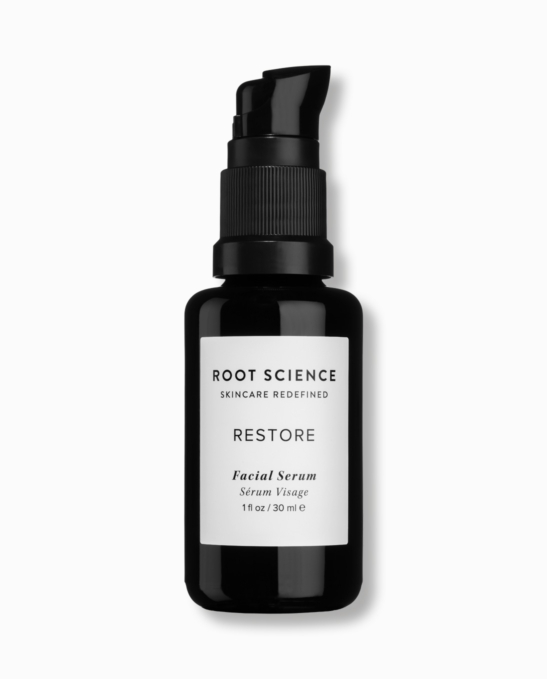
One note worth knowing: rosehip is a somewhat fragile oil. It performs best when expertly formulated with more stable oils and antioxidants, which is exactly how we’ve included it in our Restore daily moisturizing oil.
If you’re using it pure, store it in the fridge to protect its nutrients.
Shop our favorite pure Rosehip oil brand here ➡️
3. Squalane — The Biomimetic Hydrator
Your skin already knows squalane — because it already makes it.
Squalane is the stabilized form of squalene, a lipid that makes up roughly 13% of your skin’s own surface oil. The catch? Your body’s production peaks in your teens and starts declining in your 20s and 30s. As it does, skin gradually loses that dewy, effortless suppleness.
Replenishing it topically is one of the simplest things you can do for your skin.
Squalane absorbs instantly, never feels heavy, and won’t clog pores — making it a dream for gua sha, regardless of your skin type. It’s been shown to protect collagen production, reduce inflammatory markers in skin cells, and even support wound repair.
One of its more impressive qualities is that it acts as a singlet oxygen quencher, meaning it helps shield your skin from the kind of UV-driven oxidative damage that accelerates visible aging.
For gua sha, squalane offers an exceptionally silky glide that feels like second skin. It works beautifully layered over a hydrating serum or on its own.
Today, plant-derived squalane is sustainably sourced from olives or sugarcane, making it both effective and environmentally conscious.
4. Macadamia Oil — The Velvety Replenisher
Macadamia oil is one of those oils that makes you pause mid-application and think, “oh, this is nice.” Ultra-rich and deeply nourishing, it’s ideal for dry or mature skin looking to get the most from a gua sha practice.
What sets macadamia apart is its unusually high concentration of palmitoleic acid — also known as omega-7. At roughly 17–22% of its fatty acid profile, macadamia has more palmitoleic acid than any other common plant oil. Why does that matter? Because palmitoleic acid is naturally present in young, healthy skin but declines significantly as we age.
It’s quite literally the fatty acid of youth. Research has shown it to be a potent anti-inflammatory that can reduce key inflammatory markers and even accelerate wound healing.
Macadamia’s high monounsaturated fat content (approximately 80%) also gives it that signature velvety texture. It mimics human sebum closely and absorbs without heaviness.
During gua sha, it provides a rich, cushioned glide that feels absolutely indulgent — especially on skin that craves deep nourishment during the colder months or through hormonal shifts.
5. Oat Oil — The Sensitive Skin Specialist
If your skin tends to flush, sting, or react easily, oat oil deserves a place in your gua sha ritual. Colloidal oat has been soothing inflamed skin for centuries — and now we understand exactly why.
Oat oil contains a special class of antioxidants called avenanthramides, found exclusively in oats. These compounds calm inflammation at the cellular level by inhibiting a key inflammatory pathway in your skin.
The part that excites us most as formulators: research has shown that oat oil can increase ceramide levels in skin cells by up to 70%. Ceramides are the “mortar” that holds your skin barrier together — more ceramides means better moisture retention, less sensitivity, and skin that feels genuinely comfortable.
Oat oil has a medium-weight texture with a composition of linoleic and oleic acids that gives it a lovely balance of nourishment and glide. It also contains vitamin E and natural squalene, adding antioxidant protection to every stroke of your gua sha stone.
For anyone with eczema-prone, rosacea-prone, or generally reactive skin, oat oil can help make gua sha feel like the calming self-care moment it’s meant to be.
For all of these reasons, this sensitive-skin savior is woven throughout our oil-based formulas.
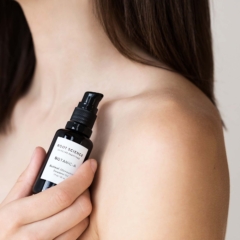
Skincare Powered By Science + Nature
Take Our 60 Second Quiz To Find Your Perfect Skincare Match
6. Raspberry Seed Oil — The Antioxidant Shield
Raspberry seed oil is a sensorial treat when paired with gua sha. It has a beautiful, silky texture that feels luxurious on application — and its skin benefits run deeper than that lovely first impression.
This oil is a rich source of alpha-linolenic acid (omega-3), linoleic acid (omega-6), and gamma-tocopherol — a particularly potent form of vitamin E.
It also delivers phytosterols, carotenoids, and ellagic acid, a polyphenol that research has shown helps inhibit collagenase, the enzyme responsible for breaking down your skin’s collagen.
Together, these compounds work to replenish moisture, soothe, and protect against the kind of oxidative damage that shows up as fine lines and uneven tone.
For gua sha, raspberry seed oil offers a smooth, non-greasy glide while delivering a genuine shield of antioxidant protection. It’s especially lovely for combination skin types looking for nourishment without any hint of heaviness.
7. Black Currant Seed Oil — The Barrier Builder
Black currant seed oil is something of a hidden gem — and one we’re particularly fond of at Root Science. Sourced from the tiny seeds of Nordic black currants, this deep green oil contains one of nature’s highest concentrations of gamma-linolenic acid (GLA), an omega-6 fatty acid that makes up 15–20% of its profile.
Here’s what makes GLA so interesting: unlike most omega-6 fatty acids, which can promote inflammation, GLA actually helps reduce it. Research has shown that GLA-rich oils improve skin hydration and reduce transepidermal water loss — essentially helping your skin hold onto its own moisture more effectively.
Black currant seed oil also delivers alpha-linolenic acid (omega-3), stearidonic acid, vitamin E, and anthocyanins — the same deep-purple antioxidants that give the berry its rich color.
For gua sha, this oil provides meaningful barrier support and calm. It’s particularly valuable for skin that’s dry, reactive, or dealing with environmental stress — the kind of skin that needs its gua sha oil to do more than just provide slip.
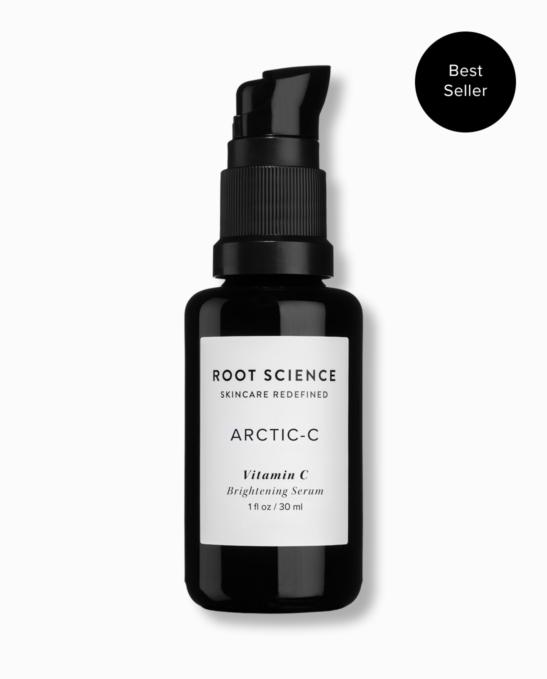
We source our black currant oil from pristine areas of Finland and include it in our
Arctic-C Brightening Serum, Botanic-A Retinol Alternative, Bright Advanced Eye Serum, and Bare Essential Nutrient Serum.
8. Plum Kernel Oil — The Lightweight Luxe
Plum kernel oil is a relative newcomer to the skincare world, but its nutrient profile is anything but modest. Cold-pressed from the seeds of French Ente plums, this golden oil has a silky, fast-absorbing texture and a naturally beautiful marzipan-like aroma that elevates any skincare ritual.
The oil is composed primarily of oleic acid (65–75%) and linoleic acid (15–25%), alongside an unusually high concentration of gamma-tocopherol — a form of vitamin E with strong antioxidant activity.
It also contains phenolic compounds like rutin, vanillic acid, and chlorogenic acid, all of which have documented free-radical scavenging properties. This gives plum kernel oil both nourishing depth and exceptional stability, meaning it stays fresh and effective longer than many other plant oils.
For gua sha, plum kernel oil is a dream. It provides a beautifully lightweight glide that sinks into your skin without a trace of residue. If you love the idea of a face oil but don’t love feeling “oily,” this one was made for you.
9. Pomegranate Seed Oil — The Collagen Protector
Pomegranate seed oil stands out from virtually every other face oil because of one rare compound: punicic acid. This omega-5 conjugated fatty acid makes up approximately 65–80% of the oil and is found in very few other natural sources.
What makes punicic acid so compelling for skin? Research has shown that pomegranate seed oil inhibits three specific enzymes — collagenase, elastase, and hyaluronidase — that are directly responsible for breaking down the structural proteins keeping your skin firm, elastic, and plump.
In other words, it doesn’t just moisturize. It actively helps protect the architecture of your skin. Studies have also confirmed its anti-inflammatory, antioxidant, and wound-healing properties, along with the ability to support collagen synthesis.
When used with gua sha, pomegranate seed oil offers a medium-weight texture with deeply reparative benefits. It’s especially well-suited for mature skin seeking to preserve firmness and elasticity, and for anyone who wants their daily gua sha practice to be doing more beneath the surface.
10. Black Cumin Seed Oil — The Ancient Healer
Black cumin seed oil has been revered in traditional medicine for over 2,000 years — used across Middle Eastern, Indian, and Mediterranean cultures for everything from skin conditions to immune support.
Modern science has spent the last several decades catching up to what traditional healers have long known.
The oil’s primary bioactive compound is thymoquinone, which has been extensively studied for its anti-inflammatory, antioxidant, and antimicrobial properties. Research has shown that it reduces key pro-inflammatory markers in skin cells, helps combat acne-causing bacteria, and supports wound healing by promoting collagen production and tissue repair.
It’s one of those rare ingredients where the historical reputation is genuinely matched by the scientific evidence.
For gua sha, black cumin seed oil has a medium-weight texture with a warm, slightly herbaceous aroma. It’s particularly beneficial for skin prone to breakouts, congestion, or chronic low-grade inflammation.
While you’re encouraging circulation with your gua sha stone, this oil is working to calm, purify, and protect.
11. Tamanu Oil — The Skin Regenerator
Tamanu oil, cold-pressed from the nuts of the tropical Calophyllum inophyllum tree, has been used across Polynesia, Southeast Asia, and Africa for generations to heal wounds, fade scars, and restore damaged skin.
It’s one of those oils where the traditional wisdom is so consistent across cultures that you know something real is happening.
And modern research confirms it. Tamanu oil has demonstrated remarkable wound-healing, anti-inflammatory, and antimicrobial properties. Its key bioactive compound, calophyllolide, has been shown to calm pro-inflammatory signals while encouraging the kind of tissue repair that leads to smoother, more resilient skin.
Studies on human skin cells found that tamanu oil emulsion promoted cell proliferation, collagen production, and glycosaminoglycan synthesis — in some cases outperforming vitamin C in wound closure speed.
Tamanu is a heavier oil with a distinctive warm, nutty aroma.
For gua sha, it’s best used on specific areas that need extra healing attention — post-blemish marks, scars, or patches of persistent dryness — or blended with a lighter oil like jojoba for an all-over facial massage.
Our Favorite Gua Sha Tools
Luxury Bian Stone Gua Sha
Budget-friendly Jade Gua Sha
Stainless Steel Gua Sha
What to Look for When Shopping for Face Oils for Gua Sha
Protective Packaging
Always choose face oils packaged in light-protective glass — amber, violet, or black. This shields delicate fatty acids and antioxidants from UV degradation.
A pump dispenser is also essential: dropper-style bottles introduce air with each use, which accelerates oxidation and increases the risk of bacterial contamination if the dropper contacts skin or bathroom surfaces.
Preserved with Antioxidants
Like high-quality cooking oils, face oils have a shelf life. Their beneficial nutrients break down over time when exposed to light, heat, and air.
Look for formulas that include stabilizing antioxidants such as vitamin E (tocopherol) or rosemary extract. These natural preservatives extend shelf life and help the active compounds in your oil stay effective longer.
Free From Irritating Fragrance and Photosensitizing Essential Oils
Added synthetic fragrance and photosensitizing essential oils have no benefits for your skin. In fact, they can do more harm than good — causing allergic reactions, irritation, and increased sun sensitivity.
Essential oils commonly found in luxury facial oils, such as lemon, grapefruit, and bergamot, contain compounds that make skin more susceptible to UV damage and burns. We recommend avoiding them entirely, especially in a product you’re actively massaging into the skin.
Expert Formulation Over Single Oils
While single oils can be lovely, an expertly formulated blend allows different oils to work together — balancing absorption rates, stability, and nutrient delivery.
A well-crafted formulation combines lightweight, fast-absorbing oils with richer, more reparative ones, and protects fragile nutrients with antioxidants.
This is the philosophy behind every Root Science serum: each formula is designed so that every oil earns its place and complements the others.
Face Oils for Gua Sha: Frequently Asked Questions
What Is Gua Sha?
Gua sha is a traditional Chinese medicine technique that involves gently massaging the skin with a smooth, flat stone — typically made of jade, bian stone, or rose quartz.
When applied to the face, it’s performed with light to medium pressure in upward, outward strokes.
Research has confirmed that gua sha increases microcirculation to the treated area, which may contribute to reduced puffiness, a more sculpted appearance, and a healthy glow.
Why Do You Need Oil for Gua Sha?
Oil creates the slip your tool needs to glide smoothly across your skin without tugging, pulling, or creating friction. Without enough lubrication, gua sha can cause irritation, redness, or even broken capillaries.
The oil also delivers beneficial nutrients while the massage stimulates circulation — essentially doubling the benefits of your ritual.
Can You Use a Serum Instead of Oil for Gua Sha?
Water-based serums alone typically don’t provide enough slip. They absorb too quickly, leaving the skin tacky rather than lubricated.
However, you can layer a hydrating serum (like one with hyaluronic acid) underneath a face oil to boost hydration while the oil provides the necessary glide. This combination can be especially effective for dry or dehydrated skin.
How Much Oil Should You Use for Gua Sha?
Apply a generous amount — typically 5 to 8 drops for the full face and neck. You want your skin to feel well-lubricated throughout the entire massage.
If you notice the tool starting to drag or skip at any point, add more oil. It’s always better to use a little extra than to risk creating friction on delicate facial skin.
When Is the Best Time to Gua Sha?
You can practice gua sha at any time that works for you, but most people find evening to be ideal. After cleansing and applying your oil, the gua sha massage preps your skin to absorb nutrients overnight while it’s in its natural repair cycle.
That said, a morning session can be wonderful for de-puffing and waking up your complexion.
When Is the Best Time to Gua Sha?
You can practice gua sha at any time that works for you, but most people find evening to be ideal. After cleansing and applying your oil, the gua sha massage preps your skin to absorb nutrients overnight while it’s in its natural repair cycle.
That said, a morning session can be wonderful for de-puffing and waking up your complexion.
What Is the Best Face Oil for Gua Sha on Sensitive Skin?
For sensitive skin, we recommend a biocompatible oil like jojoba, which closely mimics your skin’s natural sebum and has demonstrated anti-inflammatory properties. Oat oil is another excellent choice, thanks to its ceramide-boosting and calming effects.
Our Bare Essential Nutrient Serum is formulated with sensitive skin in mind and works beautifully for gua sha.
What Oils Should You Avoid for Gua Sha?
Avoid heavy, pore-clogging oils like coconut oil, which can trigger breakouts.
Also steer clear of oils containing photosensitizing essential oils (lemon, grapefruit, bergamot) or synthetic fragrances, which can cause irritation — especially when being massaged into the skin with a tool.
How Often Should You Do Gua Sha?
Most practitioners recommend two to three times per week for noticeable results, though daily use is safe as long as you’re using light to medium pressure and plenty of oil.
Consistency matters more than frequency — a regular practice, even just a few minutes each session, will yield better results than occasional long sessions.
Shop Featured Products
Disclaimer: This content is for informational and educational purposes only. It is not intended to provide medical advice or to take the place of such advice or treatment from a personal physician. All readers/viewers of this content are advised to consult their doctors or qualified health professionals regarding specific health questions. Neither Root Science nor the publisher of this content takes responsibility for possible health consequences of any person or persons reading or following the information in this educational content. All viewers of this content, especially those taking prescription or over-the-counter medications, should consult their physicians before beginning any skincare, nutrition, supplement or lifestyle program. The views and products expressed are not intended to treat, cure or prevent any disease.
Image Sources: Woman Using Gua Sha On Her Face via Tima Miroshnichenko
Scientific References: The skin benefits described in this article are supported by peer-reviewed scientific research. Key studies referenced include:
Amin B, Hosseinzadeh H. Black Cumin (Nigella sativa) and Its Active Constituent, Thymoquinone: An Overview on the Analgesic and Anti-inflammatory Effects. Planta Medica. 2016;82(1-2):8-16.
Ansel JL, et al. Biological Activity of Polynesian Calophyllum inophyllum Oil Extract on Human Skin Cells. Planta Medica. 2016;82(13):1231-1237.
Bordoni L, et al. Antioxidant and Anti-Inflammatory Properties of Nigella sativa Oil in Human Pre-Adipocytes. Nutrients. 2019;11(3):568.
De Lima Rego Barros E, et al. Topical Anti-Inflammatory Activity of Palmitoleic Acid Improves Wound Healing. PLOS ONE. 2018;13(10):e0205338.
Gad HA, et al. Jojoba Oil: An Updated Comprehensive Review on Chemistry, Pharmaceutical Uses, and Toxicity. Polymers. 2021;13(11):1711.
Gajic MS, et al. Physico-Chemical Properties and Oxidative Stability of Fixed Oil from Plum Seeds. Plants. 2020;9(3):361.
Huang TH, et al. Biological and Pharmacological Activities of Squalene and Related Compounds. Int J Mol Sci. 2009;10:3067-3079.
Kim KH, et al. Dermocosmetic Potential of Punica granatum: A Systematic Review. Cosmetics. 2024;11(3).
Lin TK, Zhong L, Santiago JL. Anti-Inflammatory and Skin Barrier Repair Effects of Topical Application of Some Plant Oils. Int J Mol Sci. 2017;19(1):70.
Meier L, et al. Clay Jojoba Oil Facial Mask for Lesioned Skin and Mild Acne. Forsch Komplementmed. 2012;19(2):75-79.
Nielsen A, et al. The Effect of Gua Sha Treatment on the Microcirculation of Surface Tissue. Explore. 2007;3(5):456-466.
Ochando-Ibernón G, et al. The Effectiveness of a Topical Rosehip Oil Treatment on Facial Skin Characteristics. MDPI Cosmetics. 2025;12(3):125.
Pazyar N, et al. Jojoba in Dermatology: A Succinct Review. G Ital Dermatol Venereol. 2013;148(6):687-691.
Phetcharat L, et al. The Effectiveness of a Standardized Rose Hip Powder on Cell Longevity, Skin Wrinkles, Moisture, and Elasticity. Clin Interv Aging. 2015;10:1849-1856.
Raharivelomanana P, et al. Tamanu Oil and Skin Active Properties: From Traditional to Modern Cosmetic Uses. OCL. 2018;25(5):D504.
Squalane as a Promising Agent Protecting UV-Induced Inhibition of Collagen Biosynthesis. Molecules. 2025;30(9):1964.
Tavakkoli A, et al. Review on Clinical Trials of Black Seed and Thymoquinone. J Pharmacopuncture. 2017;20(3):179-193.
Wu D, et al. Effect of Dietary Supplementation with Black Currant Seed Oil on the Immune Response. Am J Clin Nutr. 1999;70(4):536-543.
Yusuf J, et al. Potential of Tamanu Oil for Atopic Dermatitis Treatment. Evid Based Complement Alternat Med. 2022;2022:6273528.